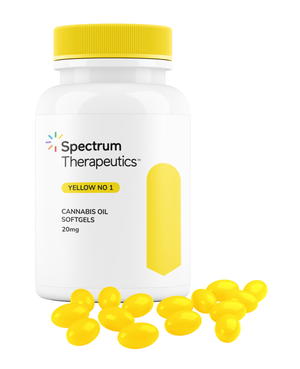
NEW SIZE!

Softgels
CBG (Cannabigerol):
1. Human Clinical Trial – Anxiety, Stress, and Mood
Researchers found that a single 20 mg dose of CBG reduced feelings of anxiety and stress compared with a placebo, without causing intoxication or noticeable impairment. Participants also showed better performance on a verbal memory test, suggesting CBG may support focus and cognition while remaining non-intoxicating.
Study: Acute effects of cannabigerol on anxiety, stress, and mood: a double-blind, placebo-controlled, crossover pilot study
Journal: Scientific Reports (2024)
Research Area: Anxiety, stress, mood, cognition
2. Review Article:
Rather than testing CBG in people, this review examined the growing body of research on CBG from laboratory and animal studies. The authors concluded that CBG shows potential in areas such as inflammation, pain, neuroprotection, and antibacterial activity, while also interacting with several important biological pathways in the body.
Study: Cannabigerol (CBG): A Comprehensive Review of Its Molecular Mechanisms and Therapeutic Potential
Focus: Inflammation, neuroprotection, antibacterial activity, pain research
Link: https://pubmed.ncbi.nlm.nih.gov/39598860/
3. Inflammatory Bowel Disease Model
In this study, researchers investigated whether CBG could reduce inflammation in a mouse model of inflammatory bowel disease (IBD). Mice treated with CBG showed less intestinal inflammation, lower levels of inflammatory markers, and improved antioxidant activity compared with untreated animals. These findings suggest CBG may have anti-inflammatory properties that could be relevant to conditions such as Crohn’s disease and ulcerative colitis.
Study: Beneficial Effect of Cannabigerol in Experimental Colitis
Focus: Inflammation
Link: https://pubmed.ncbi.nlm.nih.gov/23415610/
4. Neuroprotection
This preclinical study explored whether CBG could help protect nerve cells in animal models of Huntington’s disease, a progressive neurodegenerative disorder. Researchers found that CBG reduced markers of inflammation and oxidative stress in the brain, protected vulnerable neurons, and improved some movement-related symptoms in the animals.
Study: Neuroprotective Properties of Cannabigerol in Huntington's Disease Models
Focus: Neurodegenerative disease research
Link: https://pmc.ncbi.nlm.nih.gov/articles/PMC4322067/
CBN (Cannabinol):
1. Human Sleep Trial
This human clinical trial explored whether CBN could improve sleep in adults who reported poor sleep quality. Researchers found that taking 20 mg of CBN nightly reduced the number of times participants woke up during the night and improved overall sleep disturbance compared with a placebo. CBN did not appear to increase daytime fatigue.
Study: A double-blind, randomized, placebo-controlled study of the safety and effects of CBN with and without CBD on sleep quality
Journal: Experimental and Cllinical Psychopharmacology
Research Area: Sleep and insomnia
Link: https://pubmed.ncbi.nlm.nih.gov/37796540/
2. Non-Intoxicating Sleep Solutions
This large placebo-controlled study involving more than 1,000 participants examined whether purified CBN could support sleep quality. Researchers found that CBN improved sleep compared with a placebo, with the 50 mg dose showing the strongest results and performing similarly to, or slightly better than, melatonin. Side effects were generally mild, suggesting CBN may be a promising non-intoxicating option for people looking to improve their sleep.
Study: Exploring the Efficacy of Cannabinol in Sleep Enhancement: A Breakthrough in Non-Intoxicating Solutions
Journal: Sleep
Research Area: Sleep
Link: https://academic.oup.com/sleep/article/47/Supplement_1/A177/7654563
3. Anti-Inflammatory and Analgesic Potential
This animal study investigated several lesser-known cannabinoids, including CBN, to see whether they could reduce pain and inflammation. Researchers found that CBN reduced inflammatory markers, swelling, and certain signs of pain in mouse models. These findings suggest that CBN may have anti-inflammatory and pain-relieving properties, although human studies are still needed to determine whether these effects translate to patients
Study: Anti-inflammatory and analgesic potential of minor cannabinoids in vivo
Journal: Journal of Cannabis Research (2026)
Research Area: Pain and inflammation
Link: https://link.springer.com/article/10.1186/s42238-025-00384-7
4. Neuroprotection Research
This laboratory study examined how CBN affects nerve cells and the genes involved in cellular stress responses and brain function. Researchers found that CBN influenced pathways associated with neuronal survival, stress protection, and neuronal plasticity (the brain's ability to adapt and form new connections) without harming the cells. While these results are encouraging, they come from cell-based research and do not yet demonstrate clinical benefits in people with neurological conditions.
Study: Cannabinol and neuronal protection research (recent preclinical work examining neuronal survival and gene regulation)
Research Area: Neuroprotection
Link: https://thecannex.com/slug-cannabis-2-0-minor-cannabinoids-research-2025/
CBC (Cannabichromene):
1. CBC’s Potential
This review examined the current research on CBC, a non-intoxicating cannabinoid found in cannabis. The authors found early evidence suggesting CBC may have anti-inflammatory, pain-relieving, antibacterial, and anti-seizure properties, but noted that most of the research has been conducted in laboratory and animal models. They concluded that CBC shows promise as a therapeutic compound, but more human clinical trials are needed to better understand its safety and effectiveness.
Study: The Potential of Cannabichromene (CBC) as a Therapeutic Agent
Journal: Journal of Pharmacology and Experimental Therapeutics (2024)
Research Area: Pharmacology, inflammation, pain (antinociception), antibacterial activity, anti-seizure potential
2. CBC (Cannabichromene)
In this preclinical study, researchers investigated whether CBC could help reduce seizure activity. They found that CBC showed significant anti-seizure effects in laboratory seizure models and appeared to work by enhancing the activity of GABAA receptors, which help calm excessive electrical activity in the brain. These findings suggest CBC may have potential in future epilepsy research, although studies in people are still required.
Study: Cannabichromene from full-spectrum hemp extract exerts acute anti-seizure effects through allosteric activation of GABAA receptors
Journal: Fundamental Research (2024)
Research Area: Seizure disorders, epilepsy research, GABAA receptor modulation, cannabinoid pharmacology
3. Pain & Inflammation Research
This animal study examined how CBC affected inflammation-related digestive symptoms. Researchers found that CBC helped normalize excessive intestinal activity caused by inflammation without affecting normal digestive function. These results suggest CBC may have anti-inflammatory effects in the gastrointestinal tract and could be relevant to future research into digestive disorders involving inflammation.
Study: Inhibitory effect of cannabichromene, a major non-psychotropic cannabinoid extracted from Cannabis sativa, on inflammation-induced hypermotility in mice
Journal: British Journal of Pharmacology (2012)
Research Area: Inflammation, gastrointestinal inflammation, pain signaling
Link: https://pmc.ncbi.nlm.nih.gov/articles/PMC3417459/
4. Recent Anti-Inflammatory Research
This laboratory and animal study explored how CBC affects inflammation in immune cells and mouse models. Researchers found that CBC reduced several inflammatory signals and cytokines associated with the body's inflammatory response. The findings suggest CBC may have anti-inflammatory potential, supporting further investigation into its possible role in inflammatory conditions, although human studies are needed before any clinical conclusions can be drawn.
Study: In Vitro and In Vivo Anti-Inflammatory Potential of Cannabichromene Isolated from Hemp
Journal: Plants (2023)
Research Area: Inflammation, cytokine regulation, immune signaling
Link: https://pmc.ncbi.nlm.nih.gov/articles/PMC10708362/
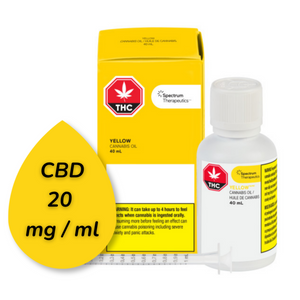
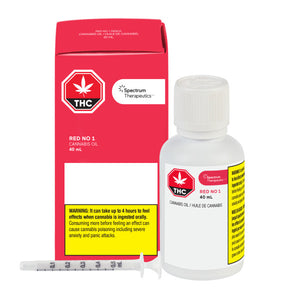
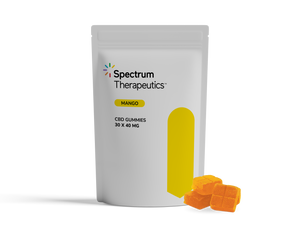
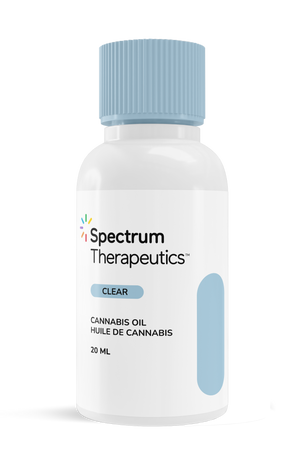
The Spectrum™ is a straightforward colour-coding system that simplifies the understanding of medical cannabis. This helps healthcare professionals and patients communicate clearly about product selection.
Explore the SpectrumTop Suggestions:
Popular Products:
Item added to cart
View cart